California is located on the western coast of the United States and is known for its diverse landscape, including coastal regions, mountain ranges, fertile valleys, and deserts. The state also has an extensive highway network connecting major cities, industrial centers, and freight corridors. Routes such as Interstate 5 and Interstate 10 carry substantial commercial traffic, making safe lane changes especially important.
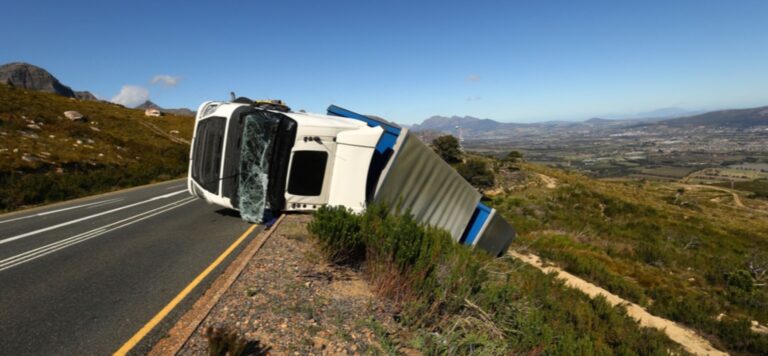
A truck can cause a serious accident without making physical contact with another vehicle. If a truck suddenly changes lanes, forces a driver off the road, or causes another motorist to swerve into traffic, the truck driver may still be legally responsible for the resulting injuries and damage. The key issue is whether the driver’s unsafe actions caused the collision.
When a truck’s sudden maneuver puts other motorists at risk, a California truck accident attorney can help evaluate the evidence and determine whether an injury claim may be appropriate.
How a No-Contact Truck Accident Happens
Large trucks need more space to maneuver than passenger vehicles. Their size, weight, and blind spots can make sudden movements particularly dangerous for nearby drivers.
A no-contact crash may happen when a truck:
- Changes lanes without checking whether the space is clear.
- Moves into another vehicle’s lane and forces the driver to swerve.
- Follows another vehicle too closely, causing the driver to brake suddenly.
- Drifts across lane markings and forces nearby traffic toward a barrier.
- Makes an unsafe turn that leaves another motorist with little room to react.
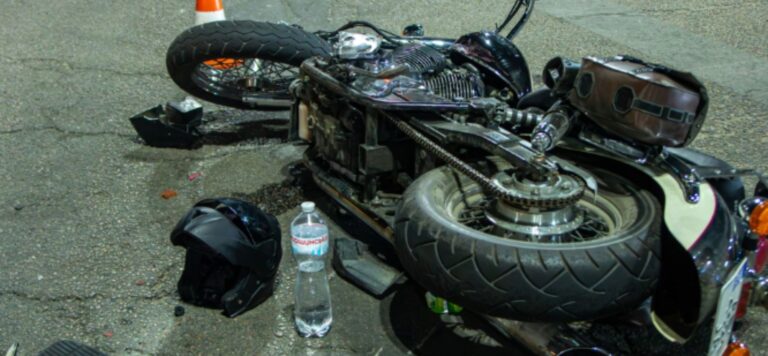
Although the vehicles never touch, the evasive action can still cause a collision with another car, a guardrail, or roadside equipment.
Establishing Negligence and Causation
Proving a no-contact accident can be more challenging than proving a direct collision because there may be no visible damage linking the vehicles. An injured person generally needs to show that the truck driver acted negligently and that the conduct caused the crash and resulting harm.
California Vehicle Code § 22107 generally prohibits turning or moving right or left on a roadway until the movement can be made with reasonable safety and requires an appropriate signal when other traffic may be affected. Depending on the truck’s maneuver, this law may be relevant to determining whether the driver acted improperly.
However, a traffic violation alone does not resolve every question in a personal injury claim. The circumstances, available evidence, and connection between the maneuver and the crash still matter.
Evidence That Can Strengthen a Claim
Prompt evidence collection can help establish what happened before the collision. Useful evidence may include:
- Dashcam footage: Video may show the truck changing lanes or forcing another driver to react.
- Witness accounts: Independent witnesses may describe the truck’s movement and the sequence of events.
- Surveillance video: Nearby businesses or traffic cameras may have captured part of the incident.
- Police reports: Reports may document statements, road conditions, and observations from the scene.
- Vehicle data: Available event data recorders may provide information about braking or speed, depending on the vehicles involved.
- Medical and repair records: These documents can help establish the injuries, damage, and financial losses resulting from the crash.
Write down the truck’s company name, identifying numbers, license plate, and physical description if you can do so safely. Do not pursue the truck or put yourself in danger to collect information.
Understanding Comparative Fault
California follows a pure comparative negligence system. If an injured person shares responsibility for an accident, their compensation may be reduced according to their percentage of fault rather than automatically eliminated.
For example, evidence may show that a truck driver made an unsafe lane change while the other driver also reacted in a way that contributed to the collision. The allocation of responsibility depends on the facts and applicable law.
Key Takeaways
- A truck can cause a crash without physically contacting another vehicle.
- Unsafe lane changes and sudden maneuvers may support a negligence claim.
- Witnesses, video footage, and vehicle records can help establish what happened.
- California Vehicle Code § 22107 may apply to certain unsafe turning or lateral movements.
- Comparative negligence may affect the amount of compensation available.