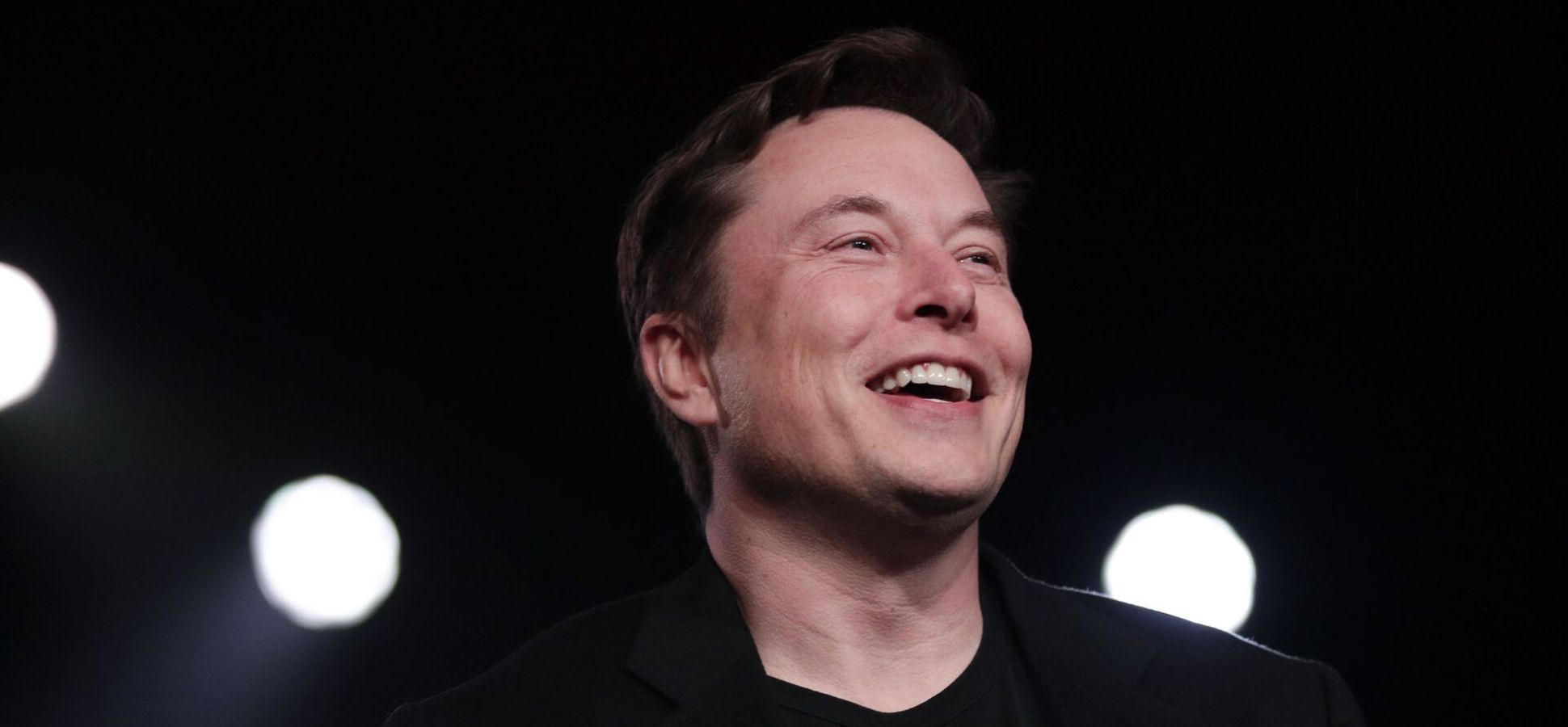
On October 1, 2025, elon musk net worth crossed an unprecedented threshold, making him the first individual in history estimated at $500 billion. The milestone capped a period in which Tesla rebounded and private valuations for SpaceX and xAI advanced.
This outline unpacks what changed, where the number comes from, how the fortune is managed, and the catalysts that could move elon musk net worth in either direction.
What Just Happened and Why It Matters?

Elon Musk has reached a new financial milestone, becoming the first person ever to achieve a net worth of $500 billion. This landmark was reached on October 1, 2025, propelled by a significant uptick in the value of his most prominent companies. On the day Musk crossed the $500 billion threshold, Tesla shares climbed approximately 3.3%, which alone added over $6 billion to his holdings. Since the start of the year, Tesla stock has increased by more than 14%, amplifying the impact of Musk’s 12.4% ownership stake. These daily market shifts can lead to dramatic changes in his overall wealth, highlighting the volatility and scale of fortunes tied to major tech stocks.
Musk’s net worth is not solely tied to Tesla. The valuations of SpaceX and xAI also play a critical role in his financial ascent. As these companies continue to innovate and expand, their rising valuations feed directly into Musk’s overall wealth, reinforcing his dominance at the top of global wealth rankings.
Snapshot of the Moment
- Date of $500 billion milestone: October 1, 2025
- Day-of move: Tesla shares up ~3.3%, boosting Musk’s paper wealth by billions
- Year to date: Tesla up over 14%
- Ownership anchor: Musk holds approximately 12.4% of Tesla
- Core drivers: Tesla, SpaceX, and xAI valuations
Milestone Timeline at a Glance
- First to $300 billion
- First to $400 billion
- First to $500 billion
The achievement underscores the scale and influence of Musk’s ventures, as well as the volatility that comes with such concentrated wealth. As elon musk net worth continues to shift with the markets, his financial milestones are closely watched indicators of broader trends in tech and innovation-driven industries.
Where the $500 billion comes from?
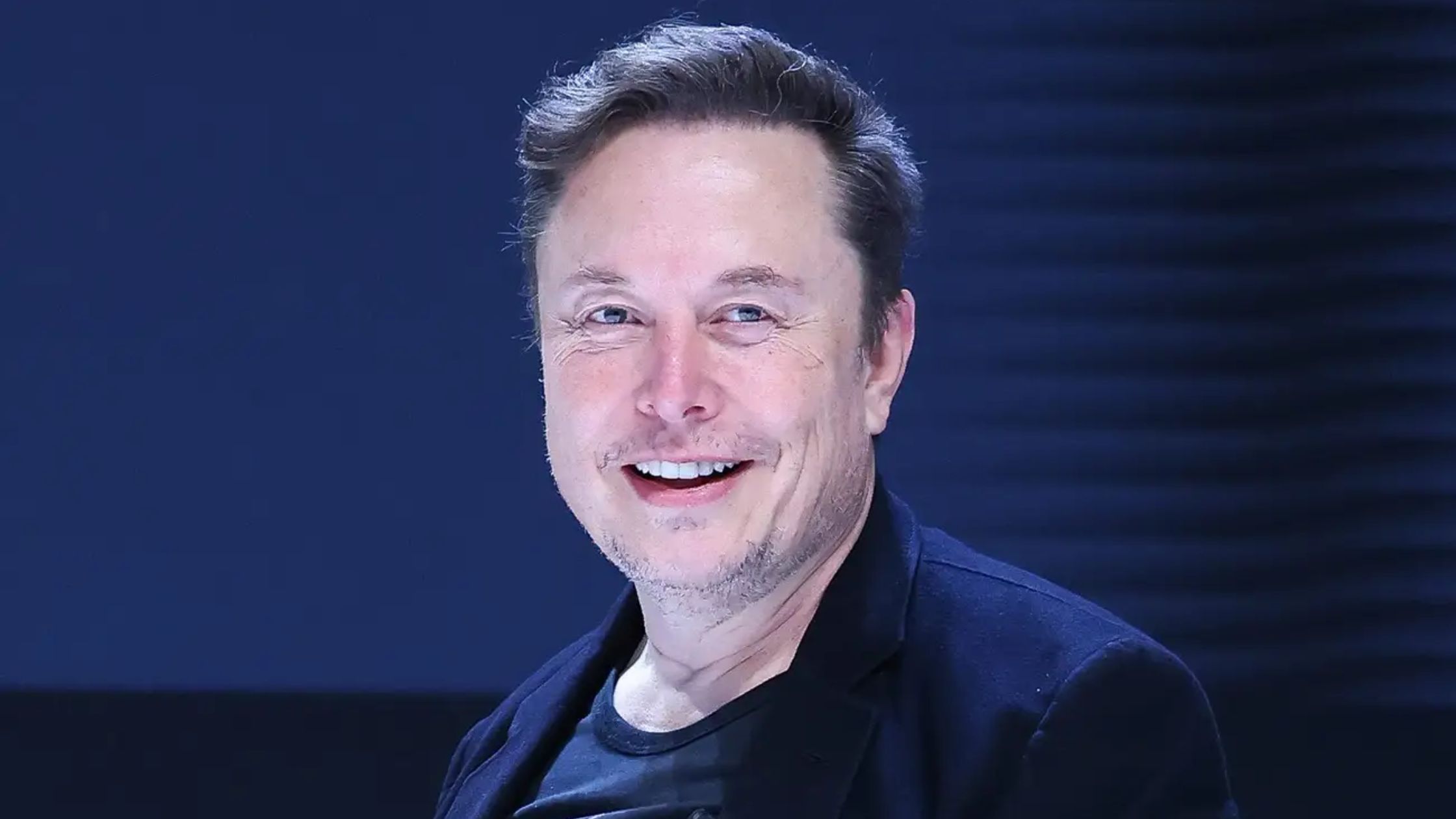
Net worth at this scale is a mark-to-market snapshot of concentrated positions in both public and private companies, plus options and awards that link personal wealth to long-term performance. For elon musk net worth, the headline figure is shaped by a handful of core holdings and financial strategies that amplify both upside and risk.
Tesla remains the center of gravity for elon musk net worth. A double-digit year-to-date gain and a notable single-day rise on the announcement date were pivotal. The 12.4% ownership stake means every percentage point in Tesla’s price meaningfully moves the headline figure.
Valuation drivers for Tesla include:
- Autonomy progress with real-world data advantages
- Robotics initiatives including humanoid systems
- Scalable energy storage and grid services
- Global manufacturing and cost optimization
Key headwinds to monitor:
- EV competition and pricing pressure
- Regulatory scrutiny of autonomy and safety
- Supply chain, tariffs, and margin volatility
SpaceX’s private valuation reflects its dual engine: a rapidly expanding satellite internet business and next-generation launch capabilities. Ongoing revenue growth and technical milestones factor into private-market marks that feed into the headline wealth figure.
xAI has seen swift increases in private valuation as AI model quality, compute scale, and distribution improve. Monetization prospects span enterprise integrations and consumer applications, with potential synergies from shared infrastructure and data.
Other assets and structures contributing to elon musk net worth include:
- Performance-based equity awards tied to ambitious operational targets
- Borrowing facilities secured by shares to access liquidity without large sales
- Philanthropic commitments via a dedicated foundation structure
How the Fortune Is Managed and What Could Change?
Managing a fortune the size of Elon Musk’s requires a blend of treasury discipline, risk management, and strategic capital allocation. This approach is designed not just to preserve capital but to fuel innovation and maintain flexibility as market and technological conditions evolve. The management of elon musk net worth is a complex operation that extends well beyond traditional investment strategies.
Musk’s family office, Excession LLC, plays a central role in this process. Established in 2016 and led by Jared Birchall, Excession LLC coordinates a wide array of functions: overseeing investments, managing liquidity, and directing philanthropic initiatives. The office ensures that Musk’s stakes in operating companies such as Tesla, SpaceX, and others are aligned with his personal financial requirements and broader commitments. This centralized approach allows for efficient decision-making and the ability to act quickly in response to market shifts or new opportunities.
Compensation and incentives are also pivotal in shaping Musk’s financial trajectory. Tesla’s proposed compensation framework, notable for its scale and ambition, links future payouts to the achievement of significant milestones in robotics and autonomous systems. Even if only some of these targets are reached, the resulting equity awards could add tens of billions to Musk’s net worth, potentially making his financial position even more dominant in the years ahead.
However, managing such a concentrated fortune introduces unique liquidity and risk dynamics:
- The bulk of Musk’s wealth is tied up in a handful of high-volatility assets, particularly shares in his own companies.
- He uses leverage through share-backed loans, which can magnify both gains and losses depending on market conditions.
- There is exposure to private valuation risk, especially in companies that are not publicly traded, making funding cycles and market sentiment crucial factors.
- Regulatory, legal, and geopolitical risks remain ever-present, with any major development in these areas having the potential to reshape the landscape for Musk’s holdings.
Several catalysts could significantly impact Musk’s net worth in the near future:
- Breakthroughs in autonomy and driver-assistance technologies
- Commercial success and adoption of humanoid robots
- Expansion and profitability of large-scale energy storage solutions
- Technical and commercial milestones in space launch and satellite services
- Progress in AI models, enterprise partnerships, and user growth at xAI
Each of these factors could alter the value and composition of Musk’s fortune, making the management of elon musk net worth a dynamic and closely watched process.
Read about Bill Gates’ fall from the richest list.
A Wealth Milestone Reshaping Modern Capitalism
Elon Musk’s net worth crossing the $500 billion threshold marks more than just a personal achievement, it signals a fundamental shift in the architecture of modern capitalism. This milestone is the result of founder-led, mission-driven companies that harness exponential growth by advancing multiple frontier technologies simultaneously. Musk’s leadership at Tesla, SpaceX, Neuralink, and other ventures illustrates how tightly aligned vision and execution can create extraordinary value, not just for shareholders but for entire industries.
The $500 billion figure is not merely a reflection of stock market exuberance; it’s a testament to the market’s growing confidence in the ability of visionary founders to deliver on ambitious technical roadmaps. This confidence is reinforced when leaders like Musk pair bold aspirations such as colonizing Mars or accelerating the world’s transition to sustainable energy—with tangible progress and relentless scaling.
Key factors that have enabled this milestone include:
- Compounding Innovation: Musk’s firms often leverage breakthroughs in one area (such as battery technology) to accelerate progress in others, creating a feedback loop of innovation and value creation.
- Founder-Led Agility: Direct involvement from the founder allows for rapid decision-making, unconventional risk-taking, and a strong alignment between mission and execution.
- Market Capitalization Dynamics: Public markets have shown a willingness to assign premium valuations to companies that demonstrate both high growth potential and the capacity to reshape entire sectors.
Whether Musk’s net worth continues to rise or experiences volatility will depend on the execution of these audacious technical roadmaps and the market’s ongoing appetite for high-multiple valuations. This dynamic highlights how modern capitalism increasingly rewards those who can not only imagine the future, but also build it across multiple technological frontiers.
Quick Takeaways
- Elon Musk became the first individual to reach an estimated $500 billion in net worth, setting a new benchmark in personal wealth.
- Tesla’s strong year-to-date performance, including a major single-day surge, played a central role in boosting Musk’s fortune.
- Musk’s net worth remains highly sensitive to Tesla’s stock price due to his approximately 12.4% ownership stake. Even modest price swings can shift the overall valuation significantly.
- Private company valuations, particularly from SpaceX and xAI, are major contributors to the headline figure, reflecting the growing influence of Musk’s ventures beyond Tesla.
- Excession LLC, Musk’s family office, oversees liquidity, risk management, and philanthropic activities across his diverse holdings.
- A proposed record-breaking compensation plan could further increase Musk’s net worth in the future, depending on company performance and board approval.
For deeper coverage and expert analysis, head over to Grey Journal.
Frequently Asked Questions (FAQs)
1. How did elon musk net worth cross $500 billion?
A mix of factors contributed: Tesla’s share price rebounded after a volatile period, SpaceX maintained strong momentum with new contracts and launches, and xAI’s private valuation climbed during recent fundraising. Together, these pushed Musk’s aggregate net worth over the $500 billion mark.
2. Why does Tesla’s daily move matter so much?
Musk holds about 12.4% of Tesla. This means even minor shifts in Tesla’s stock price up or down can result in multi-billion-dollar changes to his reported wealth. The company’s large market capitalization amplifies these effects.
3. How reliable are private company valuations in this estimate?
Valuations for private firms like SpaceX and xAI are drawn from recent funding rounds, secondary share sales, or internal marks set by the companies. These numbers can fluctuate based on market sentiment, technical milestones, and revenue growth, so they’re less stable than public market prices.
4. What role does Musk’s compensation play?
Musk’s compensation at Tesla is tied to a series of ambitious milestones. If Tesla hits specific technical and financial goals, Musk could be awarded additional equity, significantly increasing his net worth beyond current estimates.
5. Who manages Musk’s wealth?
Excession LLC, led by Jared Birchall since 2016, oversees Musk’s investments, manages liquidity, and coordinates his philanthropic activities. This single-family office structure centralizes the management of Musk’s vast and varied holdings.