Many entrepreneurs overlook practical, everyday businesses – but these “boring” businesses can be surprisingly lucrative. They may not sound glamorous, but they provide steady demand, essential services, and real potential to scale into six or even seven figures.
There are two main kinds of businesses you can build to reach this level of success:
- Service-Based Businesses, which focus on providing essential local services.
- Asset-Based Businesses, where income comes from owning and renting or placing equipment/assets.
Both categories can become highly profitable if you start small, reinvest wisely, and stay consistent.
Service Businesses
Service businesses are the backbone of local economies. They focus on solving everyday problems—like fixing pipes, cutting grass, or towing vehicles—and they bring in steady recurring income. While they may not feel exciting, the profit margins are excellent, and customer demand is almost guaranteed.
Lawn Care & Landscaping
A lawn care business has low entry barriers and steady demand. Basic equipment like a lawnmower, trimmer, leaf blower, edger, and trailer will cost on the order of $5,000–$8,000 (not counting a truck). You’ll spend more on fuel and maintenance as you grow. Profits can be large: in fact, many lawn-care companies scale up to 6‐ or 7‐figure revenues. For example, one founder started with under $1,000 in equipment and grew to $1.1 million in sales over six years. As you expand into commercial accounts and recurring contracts, you can reach around $1 million/year in revenue within a few years. With efficient routing and good margins (often 30–50%), dedicated owners often clear hundreds of thousands of dollars per year.
| Startup Cost | Potential Annual Revenue |
|---|---|
| $5,000–$8,000 | $100K to $1M |
Plumbing Services
Plumbing is an essential local service with high profit margins. A new plumbing business typically costs about $10,000–$50,000 to start. Major expenses include licensing ($200–$500), basic tools and pipe-fitting equipment ($1,000–$5,000), and a service vehicle (often $10,000–$50,000 for a used van). Once set up, plumbing firms usually enjoy gross margins of 60% or more, with net profit margins of roughly 10–20%. In practice, small plumbers often earn $50K–$100K/year, and mid-sized shops can hit $150K–$250K or more annually. Emergency and specialized plumbing (e.g., pipe replacement or commercial projects) can command premium rates. With solid skills and good customer service, plumbing owners often find steady income and growth.
| Startup Cost | Potential Annual Revenue |
|---|---|
| $10,000–$50,000 | $50K–$250K+ |
Emergency Tow Truck Services
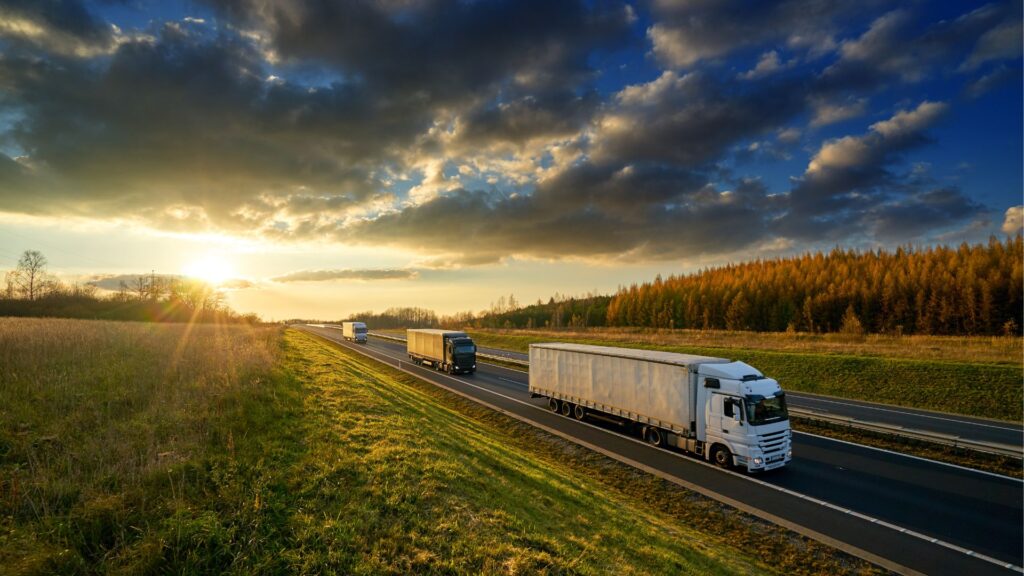
Tow truck businesses require significant capital but can pay off quickly. The startup cost is dominated by the tow truck itself – expect to spend $150,000 up to $1,000,000+ for a reliable tow rig. (Used trucks may run $25K–$60K, while new heavy-duty wreckers cost much more.) Other costs include licensing, insurance, and a small dispatch office. Once operating, a single tow truck can earn substantial fees per tow. For example, towing companies typically charge $75–$150 per call, and a busy driver with a fleet of trucks can easily generate $200K–$500K+ in revenue per year. While individual margins depend on fuel, maintenance and labor, a well-run towing business often nets tens of thousands per truck. With multiple trucks and 24/7 service, total company revenues can reach into the millions. (Advanced owners even franchise or service motor clubs for steady contracts.)
| Startup Cost | Potential Annual Revenue |
|---|---|
| $150K–$1M+ | $200K–$500K+ |
Waste Management (Garbage Hauling)
Collecting and hauling waste is a classic recurring-income service. As of 2024, the average independent waste management firm (e.g., a small garbage hauling or recycling company) in the U.S. brings in about $376,000 in annual revenue. Startup costs are high because you need trucks and containers. Initial investment is typically $324,000–$456,000, mostly for one or more garbage trucks and lift equipment. (Additional costs include licensing, bins, insurance, and office setup.) However, waste hauling is profitable: after paying for landfills, fuel, and labor, these businesses often retain ~25% EBITDA margin. For example, a typical waste hauler with $376K revenue might clear roughly $94K in operating profits. With enough contracts (often on monthly billing), revenues can scale by adding more routes or services (recycling, dumpsters, etc.). Once established, a waste company’s income compounds because customers usually sign ongoing service agreements.
| Startup Cost | Potential Annual Revenue |
|---|---|
| $324K–$456K | ~$376K (with 25% margin) |
Asset-Based Businesses
Asset-based businesses make money by owning and renting or placing equipment that generates recurring income. These businesses can scale as you add more machines, vehicles, or tools.
ATM Placement Business

Owning ATMs can generate steady passive income. A single freestanding ATM machine costs roughly $1,000–$10,000 to buy (used vs. new). You’ll also need a secure location (often a retail shop, bar, or restaurant) and cash reserves to load the ATM. Income comes from the surcharge fee per transaction (typically $2–$3). A single ATM that sees only 15–30 customer transactions per month can yield about $20,000–$30,000 in extra profit annually. (One analysis found that even 15 transactions/month was profitable for the owner. With higher foot traffic, machines can make far more. To start, budget for at least one ATM and installation (plus any network connectivity fees). Many entrepreneurs eventually scale by owning multiple ATMs, placing them in busy locations. Each additional machine can become another $20K+ per year in profit, so a modest fleet of ATMs can quickly generate hundreds of thousands in passive income.
| Startup Cost | Potential Annual Revenue |
|---|---|
| $1K–$10K per ATM | $20K–$30K+ per ATM |
Rental Equipment Business
Renting out equipment (like air compressors, power tools, generators, or party supplies) is a lucrative way to leverage owned assets. The business model is straightforward: buy items and rent them at a markup. Equipment rental often enjoys very high gross margins (industry estimates near 90% gross margin because the same unit is rented many times). For example, the average owner of a heavy-equipment rental company in the U.S. earns on the order of $110,000/yearfieldex.com. A startup requires purchasing your initial inventory: even a few trucks or compressors can run $10,000–$50,000 each. (You can start small with one or two units.) Key costs are insurance, maintenance, and a storage yard or warehouse. But after covering those, most of the rental fee is profit. To succeed, choose reliable gear and market to contractors or DIY customers. With even a half-dozen rented units at roughly $200–$500/month each, annual revenues can easily exceed $100K and scale to the mid-six figures by expanding the fleet or branches.
| Startup Cost | Potential Annual Revenue |
|---|---|
| $10K–$50K per unit | $100K–$110K+ |
Commitment First!
Each of these six businesses is “boring” in that they rely on steady demand and essential needs, not fads. They typically carry much lower failure risk than trendier startups because they serve basic needs. With hard work and reinvestment, many entrepreneurs in these sectors end up pulling in millions over time. In short, yes – you can make millions running one of these businesses, especially as you add more machines, vehicles or routes. The key is consistency: keep quality high, control costs, and grow steadily. If you commit to the business plan, success is very achievable.
These six “boring” businesses all share the same DNA: they solve everyday problems, bring in recurring revenue, and have lower risk than trendy startups. Whether you’re mowing lawns, hauling garbage, or placing ATMs, these ventures can be scaled into million-dollar operations with consistency and commitment.
With modest startup capital, steady reinvestment, and focus on customer satisfaction, you can turn even the most unglamorous business into an exciting, wealth-building journey.